Quiet Luxury at Home: Muted Hues and Touchable Layers

Today we explore muted color palettes and layered textures for understated home elegance, embracing softness, nuance, and tangible comfort. Think mineral-tinted walls, linen with a gentle slub, pale oak that feels sun-warmed, and stone with subtle veining. We’ll blend practical steps with designer insights, small-space strategies, and budget-friendly swaps so every room feels calm, refined, and deeply welcoming. Bring your questions, share your spaces, and let’s build a sanctuary that looks effortless because every detail is quietly considered.

Calm Foundations: The Language of Soft Neutrals

Undertones That Whisper, Not Shout

Warm greiges can carry a pink or yellow undertone, while cool taupes might lean violet or green. Test large swatches vertically and observe throughout the day; natural light will reveal surprises. Pair neighboring undertones rather than opposites for coherence. If a floor is honeyed oak, echo soft warmth on walls, then offset with cool stone accents. The result feels intentionally blended, never flat or dull, and responds beautifully to shifting daylight across seasons.

Building a Cohesive Palette

Start with an anchor neutral that flatters your lighting, then add two supporting hues one step lighter and one step darker. Introduce a gentle accent like mushroom, celadon, or dusty clay in textiles or artwork. Keep saturation low, allowing material character to add richness. Repetition across rooms creates flow, while small shifts prevent predictability. Use paint finish strategically: matte hides imperfections and invites touch, satin elevates trim, and soft sheen on doors adds a refined, almost jewelry-like highlight.

Finishes That Glow, Not Glare

Matte, limewash, and mineral paints diffuse light softly, revealing layered movement rather than producing hard reflections. Plaster or microcement adds depth without busy patterning, allowing furnishings to breathe. On wood, choose a low-sheen oil or wax that celebrates grain instead of plastic gloss. Metals in brushed or burnished versions feel grounded, especially when aged by hand. This quiet luster is essential: it creates atmosphere, welcomes touch, and keeps each surface genuinely present while remaining visually calm.

Tactile Depth: Layering Textures With Intention

Texture delivers the depth that muted palettes ask for. When color restraint risks flatness, tactility steps in to create dimension and warmth. Think of pairing chunky knits with crisp percale, nubby bouclé with smooth leather, or raw linen with polished stone. The contrast of touchable surfaces invites lingering and communicates quality without flashy statements. Limit patterns; instead, let weave, grain, and patina do the storytelling. Aim for a balanced trio: soft textile, organic hard surface, and refined accent.

01

Textiles With Character

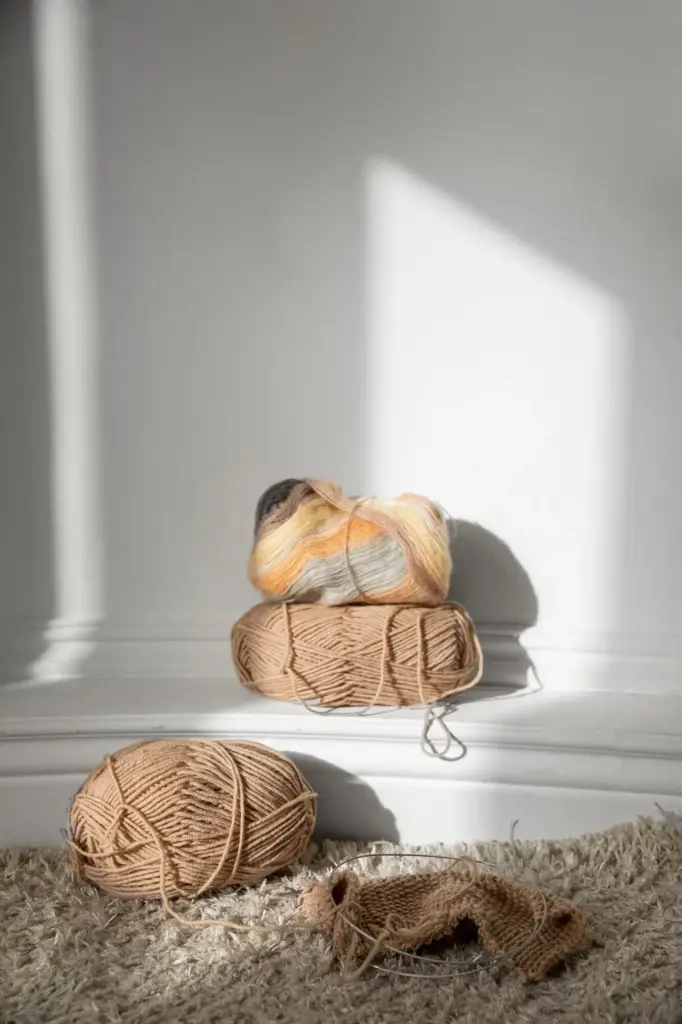
Choose foundational textiles that breathe: washed linen curtains that move with air, wool throws with visible twill, and bouclé cushions that add plush punctuation. Keep colors softened—oatmeal, fog, riverstone—so texture carries the drama. Layer multiple weights: a lightweight cotton for daily comfort, a heavy knit for seasonal depth, and a patterned flatweave for subtle rhythm. Prioritize natural fibers, which age gracefully and regulate temperature. These thoughtful layers create sensory richness that feels luxurious yet approachable for everyday living.

02

Organic Hard Surfaces

Let wood grain, honed stone, and unglazed ceramic ground the space. Pale oak brings warmth without orange, travertine adds movement with soft pores, and soapstone or limestone offers a chalky hand that ages handsomely. Avoid glossy uniformity; instead, seek pieces with slight variation, like hand-formed tiles or live-sawn planks. Combine surfaces so each speaks at a different volume, ensuring the room feels collected rather than staged. This interplay creates quiet drama that rewards closer inspection and touch.

03

Patina and Imperfection

A few lived-in marks convey authenticity and ease. A limewashed wall with tonal shifts, a brass handle with softened edges, or a reclaimed table showing old joinery tells a human story. Muted schemes thrive on these subtle irregularities, which catch light differently and resist sterility. Balance is key: one or two patinated elements anchor the room; the rest stay restrained. Aim for comfort over perfection, so your home invites conversation, not caution, and feels better with every year.

Light, Shadow, and Gentle Contrast

Understated elegance depends on light management. Observe where sun lands, how shadows move, and which corners feel flat. Muted palettes reveal their richness under diffuse illumination, with layered lighting sculpting depth. Calibrate contrast with intention: delicate dark accents sharpen edges without overwhelming, while mid-tones bridge transitions. Prioritize dimmable fixtures, warm bulbs, and reflective surfaces that glow softly. Thoughtful lighting transforms pared-back colors into an enveloping atmosphere that shifts beautifully from morning clarity to evening warmth.

Room-by-Room: Living, Resting, Gathering

Apply the principles differently for each space’s function. In living areas, prioritize approachable tactility and conversation-friendly sightlines. Bedrooms deserve quiet cocooning through tonal bedding and dimmable bedside light. Kitchens and dining rooms lean on durable, wipeable finishes that still feel organic. Across rooms, keep a common vocabulary—shared hues, repeating materials—while adjusting texture weights. This ensures cohesion without monotony. Think of the home as a suite of variations where each room hums its own gentle, harmonious note.

Living Room Comfort

Anchor seating with a neutral, textured rug that frames the arrangement and lowers visual noise. Mix a structured sofa in tightly woven fabric with inviting bouclé or mohair lounge chairs. Add a low-sheen wood coffee table that patinates gracefully. Keep technology visually quiet with fabric-covered speakers or integrated storage. Scatter pillows in tonal variations, changing covers seasonally for freshness. Invite readers to share their favorite living room layering tricks in the comments and inspire the community’s next refresh.

Serene Bedroom Layers

Begin with breathable bedding: percale sheets for crispness, a linen duvet for relaxed drape, and a wool topper for year-round comfort. Choose wall color one shade deeper than adjacent spaces to encourage rest. Bedside lamps with fabric shades cast flattering, dappled light. A textured headboard—channel-tufted linen or woven cane—adds quiet structure. Limit decor to a few meaningful objects. Share what helps you wind down—scents, sounds, or rituals—and let’s collect calming routines that pair beautifully with muted palettes.

Kitchen and Dining Warmth

Opt for cabinet finishes that resist glare, like matte-lacquer or oiled wood, paired with honed stone or composite counters. Hardware in aged brass or pewter introduces gentle depth. Use soft, wipeable linens—stonewashed napkins, a heavyweight runner—for daily elegance. In dining, chairs with textured upholstery welcome lingering. Consider plaster or microcement backsplashes for continuous, quiet surfaces. Post your favorite muted table settings or layering ideas—placemats, ceramics, candles—so we can compile an understated guide to gracious, effortless gatherings.

Sustainable Choices for Quiet Luxury

True refinement respects resources and health. Natural fibers like linen, wool, and cotton regulate humidity and age gracefully. Low-VOC paints and finishes maintain indoor air quality, while solid wood and real stone outlast trends. Buying fewer, better pieces reduces visual clutter and environmental impact. Vintage finds add soul without amplifying production. Repairable, modular designs adapt over time. This approach aligns perfectly with muted palettes and layered textures, where integrity, touch, and longevity quietly tell the most compelling story.

Styling, Care, and Evolving Spaces
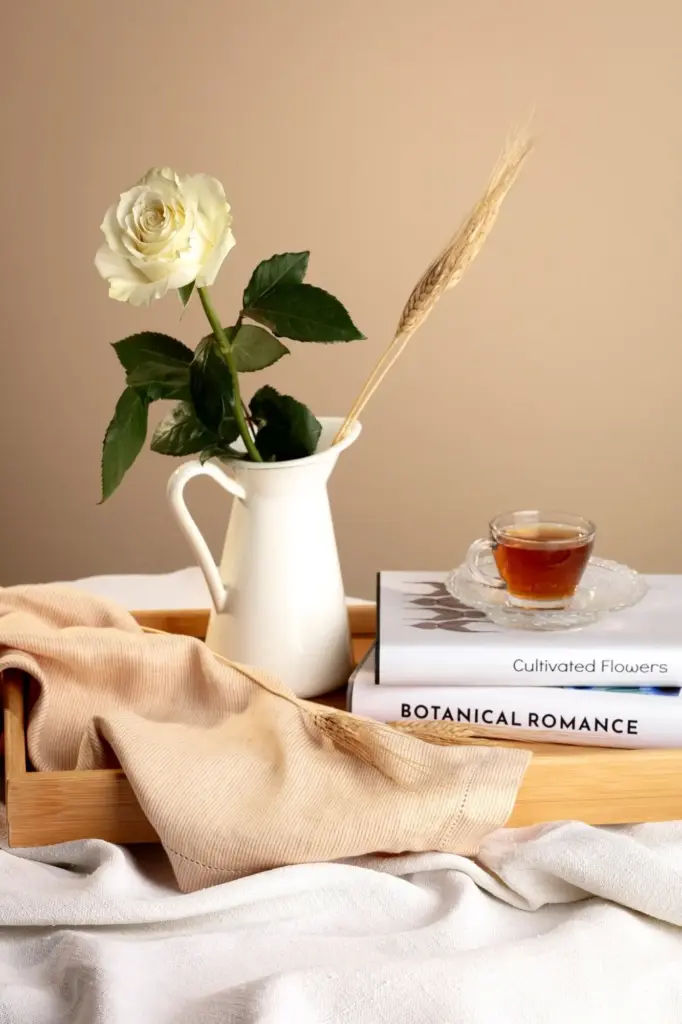
Understated interiors live and grow with you. Rotate accessories seasonally—heavier weaves in winter, breathable textures in summer—without changing the core palette. Edit regularly so each piece has room to breathe. Care practices matter: gentle cleaners preserve finishes, proper vacuum settings protect rugs, and sunlight management prevents fading. Revisit lighting as routines shift. Invite conversation: ask questions, request product links, or share dilemmas. Together we can refine, troubleshoot, and celebrate small adjustments that keep your home quietly radiant.
Xelaroxufivukivo
Privacy Overview

This website uses cookies so that we can provide you with the best user experience possible. Cookie information is stored in your browser and performs functions such as recognising you when you return to our website and helping our team to understand which sections of the website you find most interesting and useful.