
Quiet Luxury at Home: Muted Hues and Touchable Layers
Calm Foundations: The Language of Soft Neutrals
Undertones That Whisper, Not Shout
Building a Cohesive Palette
Finishes That Glow, Not Glare
Tactile Depth: Layering Textures With Intention
01
Textiles With Character
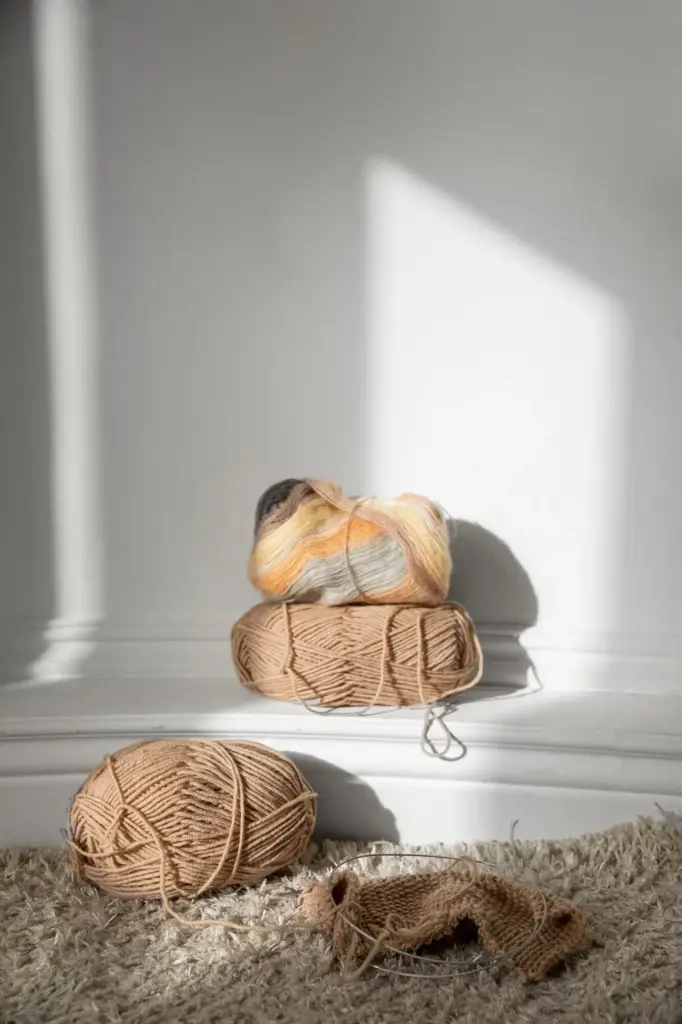
Choose foundational textiles that breathe: washed linen curtains that move with air, wool throws with visible twill, and bouclé cushions that add plush punctuation. Keep colors softened—oatmeal, fog, riverstone—so texture carries the drama. Layer multiple weights: a lightweight cotton for daily comfort, a heavy knit for seasonal depth, and a patterned flatweave for subtle rhythm. Prioritize natural fibers, which age gracefully and regulate temperature. These thoughtful layers create sensory richness that feels luxurious yet approachable for everyday living.
02
Organic Hard Surfaces
Let wood grain, honed stone, and unglazed ceramic ground the space. Pale oak brings warmth without orange, travertine adds movement with soft pores, and soapstone or limestone offers a chalky hand that ages handsomely. Avoid glossy uniformity; instead, seek pieces with slight variation, like hand-formed tiles or live-sawn planks. Combine surfaces so each speaks at a different volume, ensuring the room feels collected rather than staged. This interplay creates quiet drama that rewards closer inspection and touch.
03
Patina and Imperfection
A few lived-in marks convey authenticity and ease. A limewashed wall with tonal shifts, a brass handle with softened edges, or a reclaimed table showing old joinery tells a human story. Muted schemes thrive on these subtle irregularities, which catch light differently and resist sterility. Balance is key: one or two patinated elements anchor the room; the rest stay restrained. Aim for comfort over perfection, so your home invites conversation, not caution, and feels better with every year.
Light, Shadow, and Gentle Contrast

Room-by-Room: Living, Resting, Gathering

Living Room Comfort
Serene Bedroom Layers
Kitchen and Dining Warmth
Sustainable Choices for Quiet Luxury
Styling, Care, and Evolving Spaces


All Rights Reserved.